Running after you flush
Usually a worn flapper, a flapper chain that is too tight or too loose, or a fill valve that does not shut off.
Toilet repair in Westminster: running all day, clogged or leaking at the base? A small leak wastes water and can rot the floor. Call (720) 861-8125 now to see if an independent plumber can reach your address.
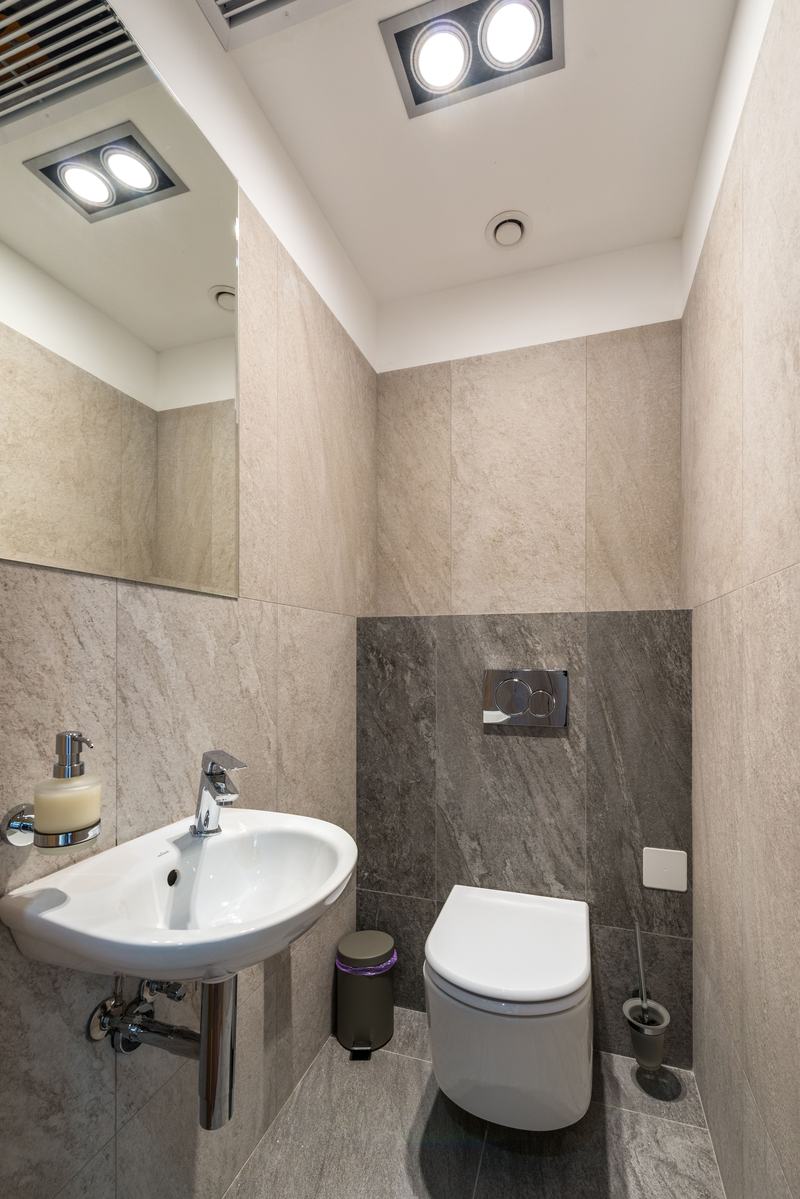
Most toilet problems come from a small number of parts inside the tank.
Usually a worn flapper, a flapper chain that is too tight or too loose, or a fill valve that does not shut off.
Can come from a partial clog in the bowl, mineral buildup in the rim holes or a low water level in the tank.
A plunger clears most clogs. One that keeps returning may be a deeper blockage in the drain.
Water around the bottom can come from a failed wax ring or loose bolts. It can damage the floor, so do not leave it.
The toilet refills on its own without being flushed. It points to a slow flapper leak.
A loose toilet can break its seal. The floor around it may already be damaged.
Safety first: Turn off the supply valve before you open the tank or disconnect anything. Do not mix cleaning products when cleaning up an overflow, because the fumes can be harmful.
Recognize the problem? Call to ask whether an independent plumber can reach your address.
Call (720) 861-8125This website doesn't set prices. Ask the plumber for a written estimate before you approve any work.
EPA WaterSense says that household leaks can waste thousands of gallons of water a year, and the toilet is one of the most common places for a silent leak. A running toilet adds to your water and sewer bills even when you do not see it.
Fixture swaps in the same place do not need a permit in Westminster, according to the city's Building Division. Moving a toilet or changing pipes behind it does, so ask the plumber if the job goes beyond a like-for-like swap.
A single clogged toilet that clears with a plunger is an everyday event. Stop and call a plumber when it clogs repeatedly, when water rises toward the rim, when other drains gurgle or back up as well, or when a child's toy or another object may be stuck. Do not use chemical drain cleaner in a toilet; it can splash and the liquid can remain hazardous for the plumber.
Repeat toilet clogs can come from flushed wipes, a partly blocked branch line, or a main-line problem. Westminster's wastewater pages list wipes among the common causes of sewer backups, so flush only toilet paper. If several fixtures are affected, read about drain cleaning.
Replacing an old toilet is a common job, and it is one reason people choose a new one over another repair. A plumber removes the old toilet, checks the floor and the flange it bolts to, sets a new seal, connects the water supply and tests for leaks. Water-saving models are worth asking about, and EPA WaterSense notes how much water a household leak can waste.
Westminster's Building Division says replacing a fixture in the same location does not need a permit, while moving a toilet or changing pipes behind it does. If a toilet keeps leaking at the base or rocks on the floor, a plumber can tell you whether the seal, the flange or the toilet itself is the problem. For other fixtures see plumbing repair.
Flappers, fill valves and wax rings are inexpensive parts, and a repair is usually the better choice. A cracked bowl or tank, or an older toilet that needs repairs every year, is a candidate for replacement.
Ask the plumber what is failing and what each option costs in writing. Newer toilets use less water per flush, which is worth discussing if your toilet is old.
Discuss the diagnosis, pricing and timing directly with the plumber, and confirm their license and insurance before work begins.
Toilet overflowing or leaking at the base? Close the supply valve behind it, then call to ask whether an independent plumber can reach your address.
Call (720) 861-8125A worn flapper, a chain that is too tight or too loose, or a fill valve that does not shut off are the usual causes. The dye test tells you if the flapper is leaking.
Add a few drops of food coloring or a dye tablet to the tank, wait about 10 minutes without flushing, and see if color reaches the bowl. EPA WaterSense describes the test.
Yes. Water at the base can come from a failed wax ring and can rot the floor over time. Close the supply valve and call a plumber.
No. Chemical cleaners are caustic and can damage the toilet and injure you. Use a plunger, and call a plumber if it does not clear.
Common causes are too much paper, flushed wipes, a partial blockage in the branch line or a main-line problem. If it clogs again after plunging, or other drains are slow, call a plumber.
According to Westminster's Building Division, replacing a fixture in the same location does not need a permit. Moving the toilet or changing pipes does. Ask the plumber to confirm for your job.
Each local guide explains who handles permits and utilities there and what to check first.
One call tells you whether an independent local plumber can reach your address.